
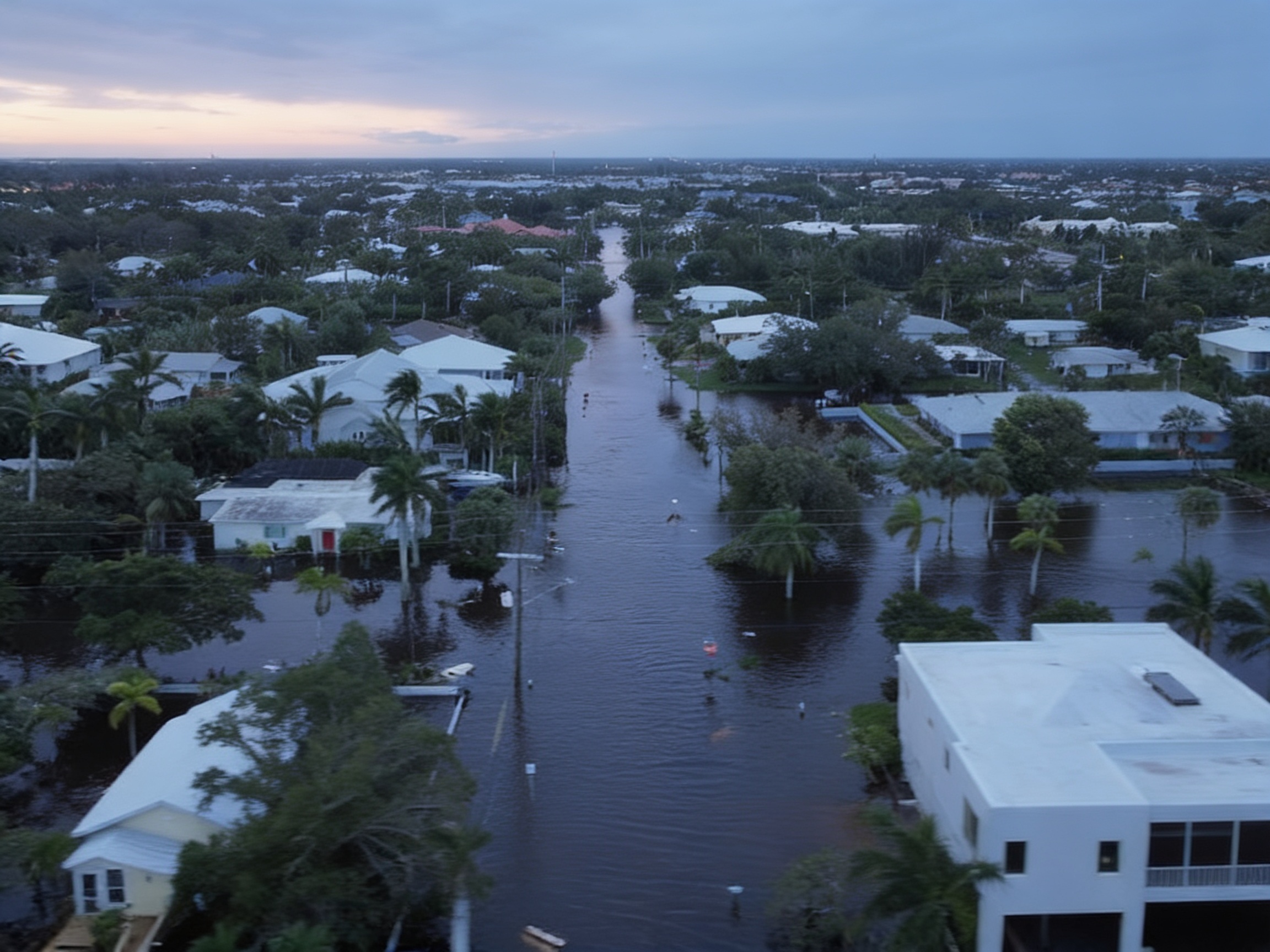
A recent report by WINK News shows how Punta Gorda is using a flood study to […]

There is talk in Congress about changing the National Flood Insurance Program. This program helps people pay for damage after floods. If changes happen, private companies may take a bigger role.
What does that mean to you?
News just announced that FEMA awarded $19 million to several states for flood mitigation. Florida got $2.3 million.
It sounds like a lot. But is it really?
Let’s take a dive under the murky floodwaters of Florida’s need for flood protection.
Sometimes we hear our customers ask, “Why should I get flood panels if I have flood insurance?” It is a fair question. And yes, flood insurance is something you should have, especially if you live in a flood zone or have a mortgage. In many cases, it is required.
Sea levels are rising. Storms are getting less predictable. And for a lot of people in Florida, what used to feel like paradise is starting to come with a quiet edge of risk. Water is no longer just something you admire from your backyard. It’s something you have to plan for.
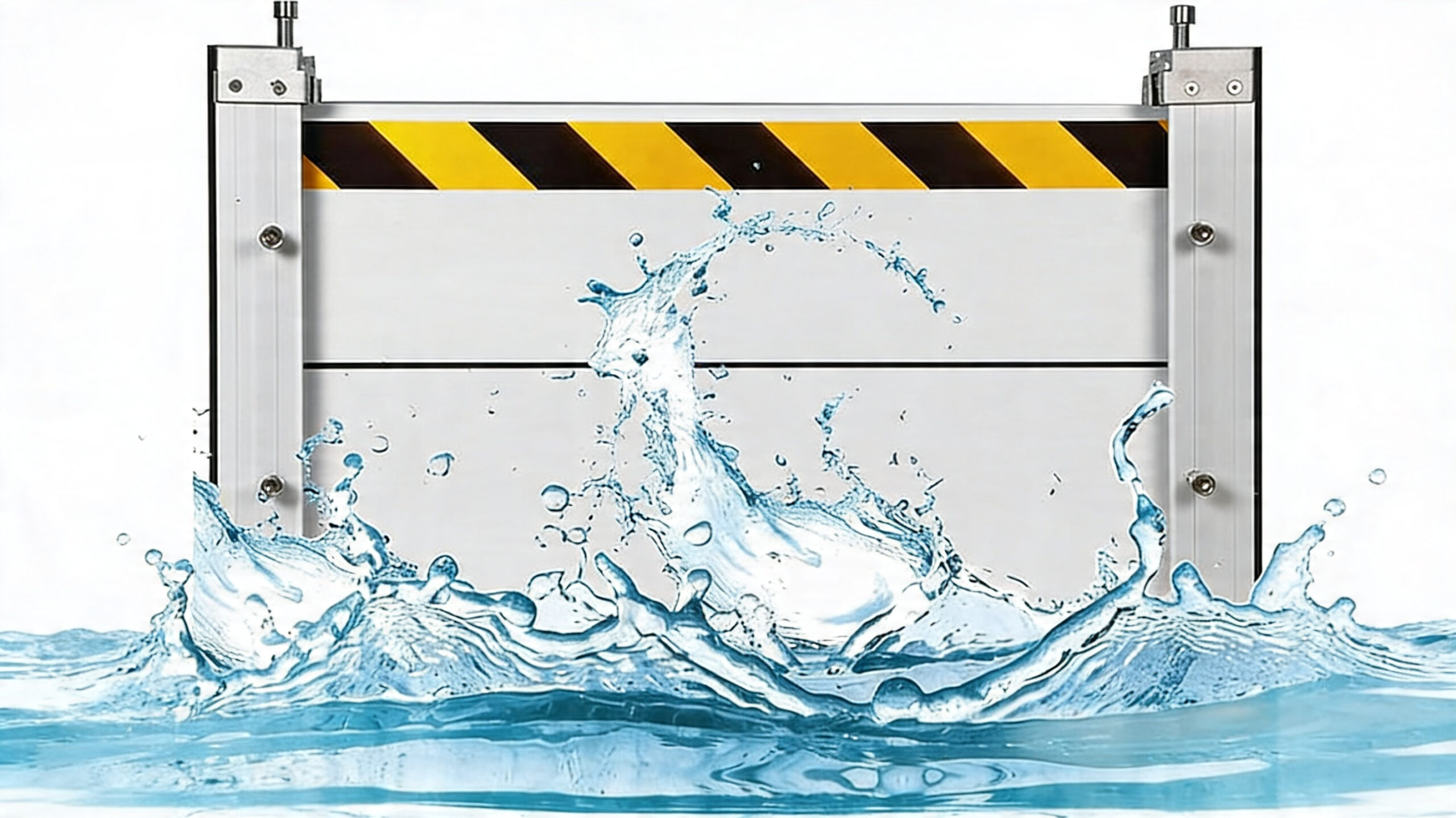
That’s exactly why aluminum flood panels have exploded in popularity. They’re strong, reusable, and when done right, they can protect your home or business from serious damage. Many manufacturers now offer pre-made or even custom-fit systems shipped directly to your door. It sounds simple. Install it yourself, save some money, and feel prepared. But there’s something most people don’t realize before they go down that road.
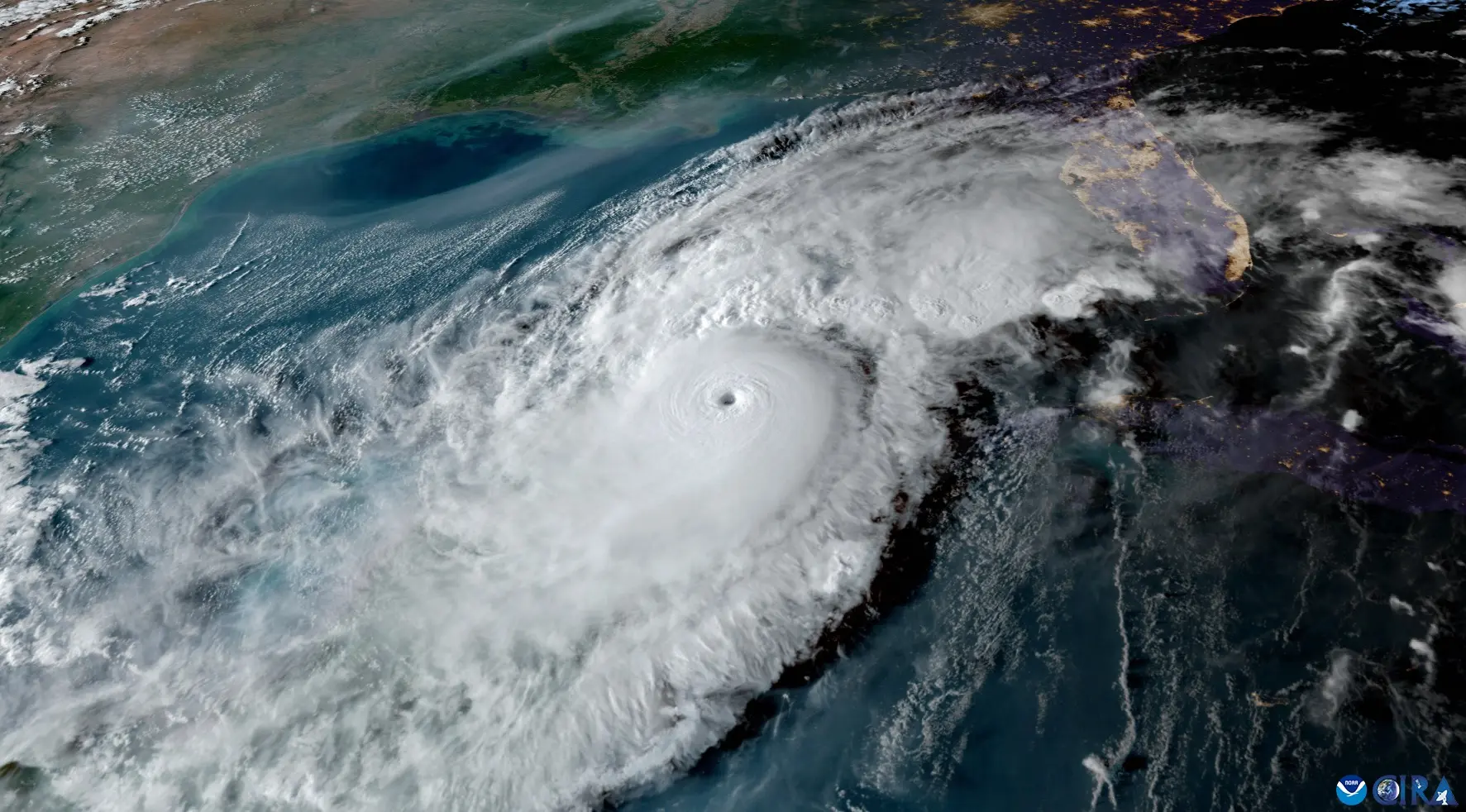
If you live in Florida, you already know resilience. Wind, rain, boarded windows, long recovery cycles. That’s not new. What is changing is the nature of the threat itself.
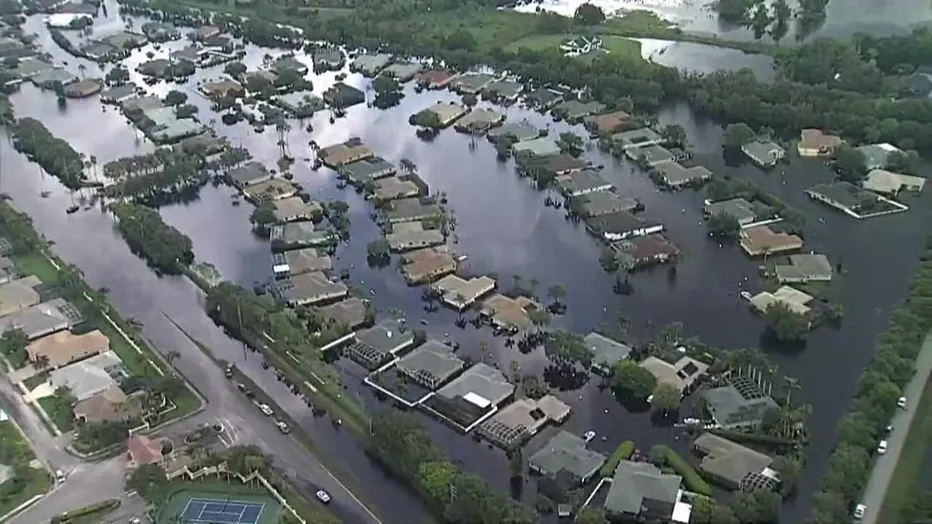
We’re no longer just dealing with hurricanes. We’re dealing with compounding forces. Rising sea levels. Stronger storm surge. Rainfall that overwhelms drainage systems in hours, not days. What used to be a wind problem is now a water problem. And water behaves differently. It finds the lowest point. It enters quietly. And it destroys from the inside out.
Are Sarasota and its nearby barrier islands different from other Florida cities when it comes to flood risk? We looked at the data to find out, and the numbers tell a clear story: Sarasota County faces significant flood exposure, especially on its coastal barrier islands.

Are Tampa Bay and St. Petersburg different from other Florida cities when it comes to flood risk?
We asked that same question. So we looked at the data.
What we found is simple. Yes, they are different. And the numbers explain why.
FEMA and the National Flood Insurance Program set rules for how buildings in flood zones must be protected. When people ask if a flood barrier “meets FEMA,” they usually mean it follows the technical standards required for dry floodproofing.
Many flood barrier companies take pride in having FM approval for their flood planks. But what is it, and should you actually ask for it from your flood barrier installer? Let’s break it down.